Start Smart
Can you be allergic to lube?

Curious how to get started with lube? For many, introducing lube into your sex life can be a total game changer. Lube is designed to supplement the vagina’s natural lubrication for even less friction and more pleasure. Some even offer additional sensations like warming, tingling, or cooling. Even for those who don’t experience vaginal dryness, lube can be a great addition to your regular sex life.
When shopping for lube, you’ll typically find 3 different types: water-based, oil-based, and silicone-based lubes. Each of these formulations is characterized by its main component: water, oil, or silicone. In addition to their bases, lubes can contain a number of additional ingredients like thickeners.
Each type of lube has its own perks and drawbacks. For instance, water-based and silicone-based lube are totally condom-compatible, whereas oil-based lube is unsafe to use with latex or polyisoprene condoms.
On the other hand, many find that water-based and oil-based lubes tend to dry up much more quickly, whereas silicone-based lubes can last longer. Finding the right lube is a matter of personal preference. Some may prefer the sensation of one over the other or find that it works better for their needs.
Of course, another serious consideration when it comes to selecting lube is its compatibility with your body. As with any personal care product, it is possible to be allergic to ingredients that are used in lube. Lube allergies can cause reactions ranging from uncomfortable to downright dangerous.
Read on to learn more about lube allergies, their common symptoms, and how to help.
Common Symptoms of Lube Allergies
Concerned you may be allergic to lube? Keep an eye out for these common symptoms of lube allergies.
Skin Reactions and Irritation
In some cases, what you think may be an allergy to lube is actually just a symptom of skin irritation. Friction during sex can make skin sensitive or even cause raw skin. When a product like lube is introduced to already irritated skin, it can cause redness, itching, burning, or other discomfort.
In these cases, the reaction is usually occasional and temporary. If you find you’re experiencing this reaction every time you have sex, it may be a sign of a more serious condition.
Allergic reactions
An allergic reaction occurs when your immune system comes into contact with an allergen. Your immune system interprets the allergen as harmful and releases antibodies to try to attack the allergen. These antibodies can cause symptoms ranging from minor, like hives and a rash, to more serious reactions like swelling in the throat and difficulty breathing.
If you experience any of the following symptoms when using lube, it’s possible that you may be allergic to lube:1
Rash and hives
Swelling
Fever
Difficulty breathing, wheezing, or tightness in the throat
Swelling of the mouth, face, lips, or tongue
Common allergens in lube include:
Chlorhexidine gluconate
Fragrances
Glycerine
Propylene glycol
Spermicide
Even if you’ve used the same lube for years, it’s still possible to suddenly develop an allergic reaction to it. Our immune systems change over time and may begin responding to a certain substance that has never caused a reaction before.
Symptoms Specific to Silicone Lube Allergies
Many love silicone lube because of its universal compatibility with condoms and its ultra-smooth texture. While these lubricants are generally considered to be hypoallergenic, silicone lube allergies do exist and should be considered when using silicone lube.
Unlike other allergies, which can cause reactions throughout the body, silicone lube allergies typically manifest as allergic contact dermatitis.2. Most will simply experience a rash whenever the silicone touches. While this isn’t among the most serious allergic reactions, it can still be pretty uncomfortable on your genital area.
How to Test for a Lube Allergy
If you’re worried you may be allergic to lube, consider following these steps.
Patch Testing at Home
As with any new personal care product, it can be a good idea to do a small patch test before using it on your most sensitive parts. A patch test is a common tool used to determine whether you’re allergic to a product. Just like a doctor applies small amounts of potential allergens to your skin during an allergy test, a patch test works the same.
To perform an at-home patch test, follow these steps:
Apply a small amount of lube to a discreet part of your body, like your inner thigh or wrist
Monitor the spot for 48 hours to see if any reaction occurs
If no reaction has occurred, it’s possible that you’re in the clear and not allergic to lube.
Consulting a Healthcare Professional
In most cases, it may be better to keep the diagnostics to the professionals. If you’re ever concerned that you might be allergic to lube, it never hurts to consult a doctor. They can help you understand whether you may be suffering from a lube allergy or another malady.
When talking to your doctor about your lube allergy, it’s a good idea to bring the bottle along with you. They can take a look at the ingredients and see if any stand out as allergens. They may also be able to help you pinpoint the ingredient in lube that your immune system is responding to, in order to find a product that doesn't contain that specific allergen.
How to Soothe and Treat Lube Allergies
Lube allergies can be uncomfortable, but fortunately they’re not the end of the world. Follow these steps if you’re experiencing an allergic reaction to lube.
Immediate Steps to Reduce Irritation
If you’re experiencing skin irritation as a reaction to lube, the first step is to cleanse the area. Wash away all the irritating lube using lukewarm water and a gentle soap. Your skin is already irritated and angry, so it’s best to avoid extreme temperatures or harsh or scented soaps.
If you’re experiencing inflammation or burning, it may help to put a cool compress on your skin to soothe the uncomfortable sensation. Soak a towel in cool water or wrap an ice pack in a few layers of fabric and rest it on your skin. Don’t put ice directly on your skin as this can cause a cold burn.
While your skin is recovering from the irritation, stick to loose clothing whenever possible. Air circulation can let your skin breathe and heal without further discomfort.
Over-the-Counter Treatments and Remedies
Some may reach for over-the-counter allergy treatments when experiencing an allergic reaction to lube like hydrocortisone or antihistamines like Benadryl. It’s a good idea to consult your doctor before using any of these medications.
When to Seek Medical Advice
If you’re experiencing any extreme symptoms of allergic reactions like difficulty breathing, rapid heart rate, chest tightness, or any other serious reactions, it’s advised to seek medical attention immediately.
Lube allergies are somewhat common and can range from uncomfortable situations to dangerous experiences. We recommend performing a patch test whenever introducing a new lube to test for allergies first. If you’re aware of pre-existing allergies, check the ingredients in your lube to ensure they don’t contain a known allergen.
The good news is that, with so many different types of lubes, it can be easy to find one that doesn’t put you at risk of allergic reaction. It may simply be a matter of trying a few different formulations out to find the one that feels best.
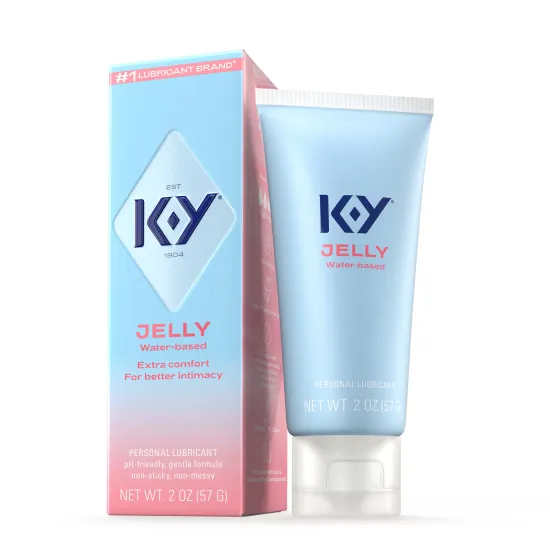
Whether you’re looking for silicone-based, water-based, or oil-based lubes, you’re sure to find a solution in our selection of lubes from K-Y. We even offer body-friendly formulas made without the use of sulfates, hormones, parabens, artificial colorants, or fragrances, for a lube that’s gentle. If you’re unsure where to start, check out our tips for buying lube to find the perfect solution for your needs.
References
- "Side Effects of Lubricating Jelly." Drugs.com, Drugs.com, https://www.drugs.com/sfx/lubricating-jelly-side-effects.html.
Singh, Priya, et al. "Innovations in Medical Lubricants: A Comprehensive Review." Journal of Biomedical Advances, vol. 21, no. 10, 2022, pp. 315–325. PubMed Central, https://pmc.ncbi.nlm.nih.gov/articles/PMC8543662/.