Start Smart
How to Remove Lube Stains

When you’re getting hot and heavy, stains are likely the last thing on your mind. Unfortunately, lube stains can, and do, happen. You may find yourself with lube stains on your sheets, clothing, or any other surfaces. The good news is that lube stains are both treatable and preventable with the right products and a little elbow grease.
If you’ve found yourself with a lube stain, read on for everything you need to know about lube stains: the best methods for removing lube stains, preventing lube stains, and more.
Best Methods for Removing Water-Based Lube Stains
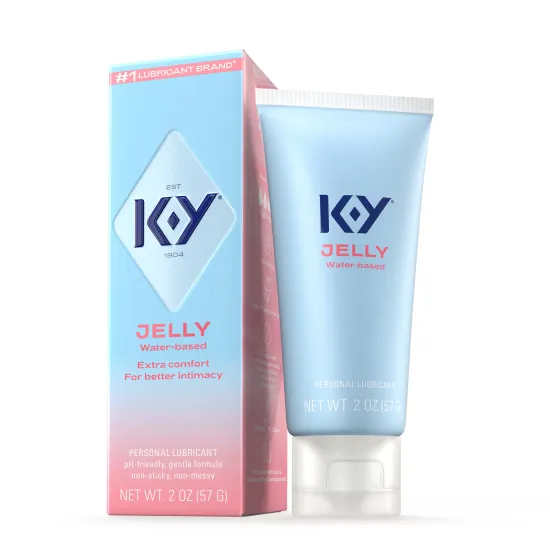
Water-based lube gets its name from its primary ingredient: water. These lubes combine water with thickening agents, preservatives, and other additives to create formulations that range from thin to jelly-like.
One of the upsides of water-based lube is their minimal risk for staining. Because water-based lubes are primarily water, they can be easily removed using water, too.
When water-based lube comes into contact with clothing or sheets, it’s unlikely to leave lasting stains. Plus, in the rare moment that they do stain, they’re quite simple to deal with. Read on to learn all about it.
Using Soap and Water
The best defense against water-based lube stains is simple: soap and water. Spot treat stains with a bit of gentle soap (like Castile soap or a mild liquid laundry detergent) and some water. Be sure to fully rinse the soap out and allow it to dry. In many cases, this will be sufficient enough treatment for water-based lube stains.
Applying Stain Removers or Laundry Detergent
If spot treatment isn’t sufficient, or there are simply too many stains to justify it, another easy way to treat water-based lube stains is with a run through the wash.
Toss your clothing or sheets in your washing machine on a normal cycle. Before moving to the dryer, check to see if the stains are gone. If they’re not, don’t dry yet. This may cause the stains to set in and make them harder to remove.
Instead, try spot treating the stain with a stain remover. Unless your sheets are white, it’s best to use a stain remover that doesn't contain bleach. Instead, look for an enzymatic cleaner. These stain removers break down stains to their most basic forms, making them easy to remove.
Tips for Treating Fresh Versus Dried Stains
If a stain has dried or has been set in by a cycle in the dryer, it can be helpful to pre-treat the stain before running it through the wash. Try a stain remover or even dish soap, which can remove the most stubborn stains.
How to Clean Silicone-Based Lube Stains
Silicone-based lube is made of silicone, a substance that’s like a cross between rubber and plastic. Silicone comes in many forms. It can be solid and rubbery, like in sex toys, or in a semi-liquid form, almost like a toothpaste. This is the form of silicone used in silicone-based lube.
Many prefer silicone-based lube because it is largely hypoallergenic and compatible with condoms, unlike oil-based lube. Plus, silicone-based lube tends to stay wet much longer than water-based lube, meaning less need to reapply during sex.
One of the downsides of silicone-based lube, however, is its propensity to stain. Silicone can be much harder to remove from sheets and clothing than water-based lube.
Using Dish Soap and Warm Water
Silicone-based lube can be tricky to remove, so instead of using a gentle soap, it's best to go straight for dish soap. Dish soap contains surfactants—compounds that break down grease and oil—which are particularly effective at lifting silicone stains from fabric.
Apply dish soap directly to your stain and allow it to sit for anywhere from 10 minutes to an hour. Then, use warm water and a bit of elbow grease to gently remove the stain. Allow it to dry completely and repeat if necessary.
Applying Rubbing Alcohol or Other Degreasers
In some cases, dish soap simply isn’t a match for silicone-based lube. That’s because silicone is hydrophobic, meaning it repels water. Oftentimes, water is simply unable to penetrate silicone-based lube.
In these cases, it’s time to bring out the heavy-duty solutions. Alcohol can be an effective tool for removing silicone-based lube stains.
Use an isopropyl alcohol that's 70% alcohol or higher. If your stain is in a prominent location, it may be helpful to test the alcohol in a more hidden place first to make sure it doesn’t damage your sheets or clothing. If all is good, soak a cloth in rubbing alcohol and gently blot the stain until it disappears.
Degreasers can also be effective silicone-based lube stain removers. Look for a solvent-based cleaner that’s designed to remove silicone-based products. Apply the solvent and allow it to sit for a few minutes. Then, gently blot with a clean cloth to absorb the stain. It’s advised not to rub a silicone-based lube stain, as it can cause the stain to spread.
Techniques for Delicate Fabrics
Removing silicone-based lube stains from delicate fabric can be a much trickier task. The goal is to be as gentle as possible. Always blot, never rub. Not only can rubbing a silicone stain spread it, but it can deteriorate gentle fabrics, too. Once the stain is completely gone, put the garment through the wash on a gentle cycle to remove any leftover stain remover.
Tips for Preventing Lube Stains on Sheets and Clothing
Lube stains can be tricky to remove, so it’s a good idea to stop them before they’ve even started. Let’s review how to best prevent lube stains on your sheets and clothing.
Using Towels or Protective Covers
If you’re planning on using lube, it’s best to plan ahead and put something down beneath you to protect your sheets. Some find that designated an old towel for sex is an easy solution. No need to worry about lube stains or any other messy side effect of sex.
Choosing Stain-Resistant Fabrics
Another option for preventing lube stains is to choose stain-resistant sheets. Stain resistant sheets repel liquids by combining synthetic fibers with natural fibers, creating a surface that’s much harder to penetrate. Microfiber is a common choice. This tightly-woven fabric doesn’t allow stains to penetrate its surface.
Some stain-resistant sheets even use environmentally-safe chemicals to resist stains.
Washing Immediately After Use
Sometimes, you’re simply caught up in the heat of the moment and don’t have time for precautions. If you’ve gotten lube on your sheets, the best way to prevent stains is to wash immediately. The longer the lube has to dry, the more likely it’s going to set into your fabric.
Products and Household Items That Help Remove Lube Stains
Good news: Many of your common household items can be excellent lube-stain removers. Let’s review a few stain removers you have laying around that may be able to get lube out of clothes, sheets, and other fabrics!
Common Household Cleaners
Sometimes, the best stain removers are items you have handy in your kitchen. In addition to dish soap, look for these items to remove lube stains:
- Baking soda: Baking soda is a wonder-substance when it comes to stain removal. Not only is it highly absorbent and excellent at soaking up dirt and stains, but it also is excellent at removing grease or oil stains. When baking soda comes into contact with fats, it undergoes a process known as saponification, meaning it combines with the fat to create soap. That soap can then be easily rinsed away.
- Vinegar: Vinegar is another kitchen product that doubles as an effective stain remover. The high acidity in vinegar breaks down grease, making it easier to wash away. You can either pre-treat your stains in a mixture of vinegar and water or apply vinegar directly onto your stain.
Specialized Stain Removers for Fabrics
Some fabrics may require specialized stain removers, like silk, wool, suede, lace, and other delicate materials. Silk, wool, and lace can be damaged by enzymes in stain removers, whereas leather and suede can be damaged by water.
For these fabrics, use a stain remover that's specifically designed for treating your material. When in doubt, leave it to the pros. Take your clothing to a dry cleaner or other professional for stain removal.
Natural Alternatives for Sensitive Skin
Those with sensitive skin may be irritated by common stain removers. In these cases, it’s best to stick to natural products like baking soda and vinegar. You may also be able to find stain removers specifically formulated for sensitive skin.
Ready to get started with lube? Our range of lube is sure to offer something that will blow your mind. Plus, with these tips, you’ll never need to worry about a lube stain again.
References
- "How to Get Laundry Stains Out of Clothes." Dawn Dish Soap, https://dawn-dish.com/en-us/how-to/laundry-stains-out-of-clothes/